

Eco phone cases (Recycled) are changing how we protect our smartphones and our planet. As demand grows for practical solutions that reduce waste, these cases offer an immediate way to cut plastic pollution without sacrificing everyday convenience. But are they as sustainable as advertised—and do they actually work as well as traditional phone cases?
Key Takeaways
- Eco phone cases made from recycled materials now represent a fast-growing segment, with the global market likely to exceed USD 4 billion by 2033.
- Actual environmental and technical performance details for these cases remain hard to verify, so shoppers must look beyond green marketing claims.
- Most brands under-deliver transparency on materials, durability, certifications, and end-of-life logistics—dig deeper before buying.
- What Are Eco Phone Cases (Recycled) and Why Do They Matter?
- How to Choose and Use Recycled Eco Phone Cases (Step-by-Step)
- Advanced Analysis & Common Pitfalls
- Conclusion
- FAQ
What Are Eco Phone Cases (Recycled) and Why Do They Matter?
Eco phone cases made from recycled materials use post-consumer plastics, plant composites, or biodegradable resins to replace traditional petroleum-based plastics. These cases are designed to keep your phone safe while shrinking your environmental footprint compared to standard silicone, plastic, or leather.

According to recent market research, the eco-friendly phone case market reached USD 1.98 billion in 2024 and could surpass USD 4.21 billion by 2033 at a projected 8.7% CAGR. North America leads, with about a third of the total market, while Europe and Asia-Pacific see rapid adoption.
The shift is clear—consumers, especially younger buyers, want products that align with their values. This has given rise to leading eco-focused brands like Pela Case and CASETiFY, especially on e-commerce channels. However, the eco-case segment is still a small but fast-growing portion of the much larger USD 26+ billion global phone case market, where traditional silicone, plastic, and leather still dominate by unit volume.
True transparency on recycled content, compostability claims, technical performance (such as drop protection), and recyclability at end of life remains elusive. Most brands focus on feel-good narratives without publishing independently verified environmental impact data or lab-tested durability metrics.
For deeper smartphone security and comfort, see our phone wrist strap guide which shows how anti-drop accessories complement modern eco cases.
How to Choose and Use Recycled Eco Phone Cases (Step-by-Step)
Switching to an eco phone case isn’t just about clicking “buy”—it’s worth making sure you select one that fits your device properly, matches your style, and delivers genuine sustainability. Here’s a step-by-step approach:
- Research materials honestly. Recycled phone cases may be made from rPET (recycled PET plastic), wheat straw, reclaimed ocean plastics, or biodegradable plant-based polymers. If the website is short on specifics, request more information directly from the seller.
- Check for third-party certifications. Relevant standards include EN 13432, ASTM D6400, OK Compost, and BPI. Verified certification numbers (not just logos) mean the product’s claims are less likely to be greenwashing.
- Match the case to your device and needs. Watch out for common issues like poor fit, port covering, sticky button response, or wireless charging problems. Reviewing detailed user photos on Amazon or brand sites can help spot these red flags in advance.
- Verify durability ratings. Ask about drop protection standards—have cases been lab-tested for 1.2 or 2 meters? Many eco phone cases don’t publish data on drop or shock resistance, so be skeptical if the information is missing.
- Assess end-of-life logistics. Biodegradable does not mean “disappears in landfill.” Check if the case can be sent back for recycling or composted in an industrial facility rather than home compost (which rarely reaches the needed temperatures).
- Factor in grip, color, and texture. Eco cases often trade a non-slip feel for a more natural matte or speckled finish. Those styling details may influence how often you drop your phone. Want extra security? Consider pairing with a phone wrist strap for added drop protection.
- Beware compatibility and user pitfalls. Wireless charging, magnetic mounts, or MagSafe features can sometimes be unreliable with thicker or composite “eco” cases. Test before you rely on it, or check multiple user reviews for mentions of problems.
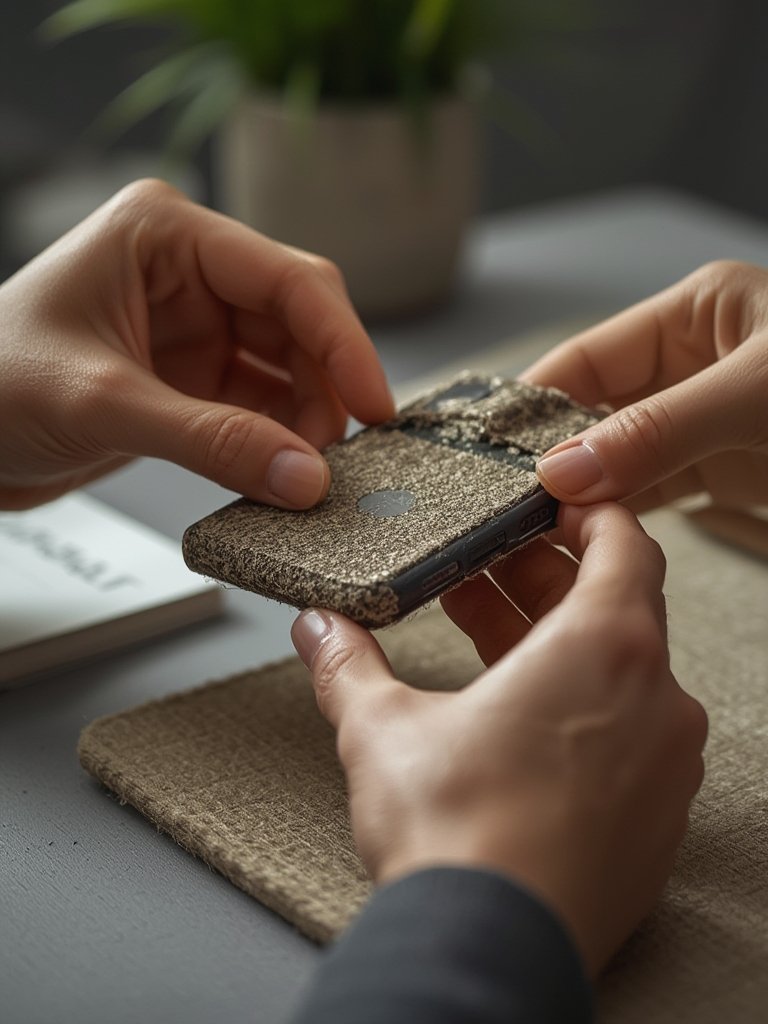
Keep in mind: very few brands provide laboratory certifications, detailed life cycle data, or end-of-life recycling logistics. If these matter to you, email the company for hard facts or browse peer-reviewed sources like this market report.
Need a power upgrade while you’re going green? Check out our guide on portable charging cases for multi-device backup solutions that pair well with sustainable protection.
Advanced Analysis & Common Pitfalls
The push for eco phone cases is outpacing the availability of independently verified information. Here are the most realistic issues and pitfalls—straight from the best available research and user experiences:
- Performance data is scarce. Most eco case brands do not publish technical specs like Shore hardness, tensile strength, or certified drop test results.
- Certification gaps. Many “biodegradable” or “recycled” cases show eco-labels but not actual test numbers or valid certifications such as EN 13432 or OK Compost INDUSTRIAL/HOME. Vague or expired certification claims are common.
- Composting confusion. Labelling a phone case “compostable” usually means it needs industrial composting—home compost bins almost never break down sturdy phone cases. Most cases will not degrade in a landfill or home setup.
- No quantified LCA data. No leading brand shares exact CO2, energy, or water impacts for their cases compared to traditional plastic; almost all claims are unverified.
- Hybrid material risks. Some eco cases mix recycled plastic with natural fibers, but don’t say what percent is recycled. Without precision, you may not be getting a true circular product.
- Technical problems are rarely disclosed. Problems such as discoloration, poor fit, or lost wireless charging are sometimes mentioned in reviews but aren’t consistently tracked or quantified anywhere.
| Feature | Traditional Plastic Case | Recycled Eco Case | Plant-Based/Biodegradable Case |
|---|---|---|---|
| Material Details | PC/TPU (virgin) | rPET, wheat straw, others (unreported %) | PLA, PHA, starch blends (rarely 100%) |
| Drop/Impact Resistance | Usually lab tested | Data not disclosed | Rarely tested or shared |
| Biodegradability | Not biodegradable | Some cases partially biodegradable | Works only in industrial composting |
| End-of-Life Options | Landfill or recycling (rarely recycled) | Brand recycling programs (few provided) | Compost facility (almost never home compost) |
| Price Transparency | Clear market pricing | Retail brackets not well tracked | Little industry-wide data available |
Another pitfall: the lack of breakdown by channel and demographic. Even detailed industry studies do not reveal retail/Amazon splits or price brackets by material. This lack of transparency leaves both eco-minded shoppers and resellers guessing about real impact or performance.
If drop protection is your main concern, our rugged kickstand case guide breaks down lab-tested protection specs versus basic eco models.
Conclusion
Eco phone cases (recycled) can help reduce plastic waste and support a sustainable accessory market, but information gaps leave much to be desired. Always check for certification, ask for hard data, and don’t assume all “eco” claims are equal. As the market matures, expect more transparency and options for both protection and planet-friendly values.
If you’re ready to take the next step, explore certified cases, team up with anti-drop accessories, or dig into the latest industry reports to stay ahead. Make your purchase count—choose wisely and share your experiences to help the market improve.
Explore more sustainable solutions with our guides to GaN travel chargers and MagSafe compatible accessories for a complete eco-tech setup.
FAQ
What materials are most common in recycled eco phone cases?
Most recycled eco cases use materials like rPET (recycled PET bottles), recycled polycarbonate, or blended plant fibers (like wheat straw or bamboo). Exact composition varies widely by brand and almost never reaches 100% recycled content.
Are biodegradable phone cases compostable at home?
Almost always, no. Most biodegradable phone cases need an industrial composting facility to break down and will not degrade in home compost or landfill conditions.
How do I know if a recycled phone case has been verified not to contain virgin plastics?
Ask the brand for third-party certifications, such as EN 13432, ASTM D6400, OK Compost, or BPI, which should provide verified documentation of recycled content. Avoid brands making unverifiable claims.
Do recycled or plant-based phone cases protect as well as traditional plastic or silicone cases?
It depends on the case and the manufacturer. Very few eco cases publish lab drop test results or performance metrics. Read user reviews, ask for data, and consider pairing with a phone wrist strap for extra security.
Can I recycle or return an eco phone case at the end of its life?
Some brands offer take-back or recycling programs for used cases, but these are not yet industry standard. Always check with the brand for specific instructions before disposing of your case.