
Screen Protector Tempered Glass is one of the most demanded smartphone accessories in 2024, promising scratch resistance, shatter protection, and peace of mind for millions of device owners worldwide. But how do you choose the right one—and what pitfalls should you watch for before you buy, install, or recommend a screen protector tempered glass?
Key Takeaways
- Tempered glass screen protectors dominate the protection market, offering superior scratch and impact resistance compared to PET/TPU films.
- Thickness, hardness (9H), edge-case compatibility, and installation technique all impact real-world device safety and user experience.
- Most brands offer similar specs, but actual performance often comes down to installation quality and post-purchase support.
- What Is a Screen Protector Tempered Glass and Why Does It Matter?
- How to Apply a Screen Protector Tempered Glass: Step-by-Step Guide
- Advanced Analysis & Common Pitfalls of Screen Protector Tempered Glass
- Conclusion
- Frequently Asked Questions
What Is a Screen Protector Tempered Glass and Why Does It Matter?
A screen protector tempered glass is a thin, chemically reinforced glass designed to shield your phone or tablet’s display from scratches, chips, and cracks. Unlike plastic film protectors (PET or TPU), tempered glass offers remarkable hardness—rated up to 9H on the Mohs scale—delivering genuine resistance against keys, coins, and drops. Its multi-layered structure absorbs impacts, while an oleophobic top layer repels fingerprints and smudges.
With over 2.2 billion tempered glass units sold in 2024 and 90.6% market share among all device screen protectors globally, tempered glass is more than a trend. It’s standard armor for smartphones in Asia Pacific, North America, and Europe.
Notably, brands like ZAGG and Belkin are now driving eco-friendly innovation, making glass protectors more sustainable for the growing market. For those wanting all-in-one drops-and-scratches defense—especially for high-value phones—a screen protector tempered glass is a realistic choice.
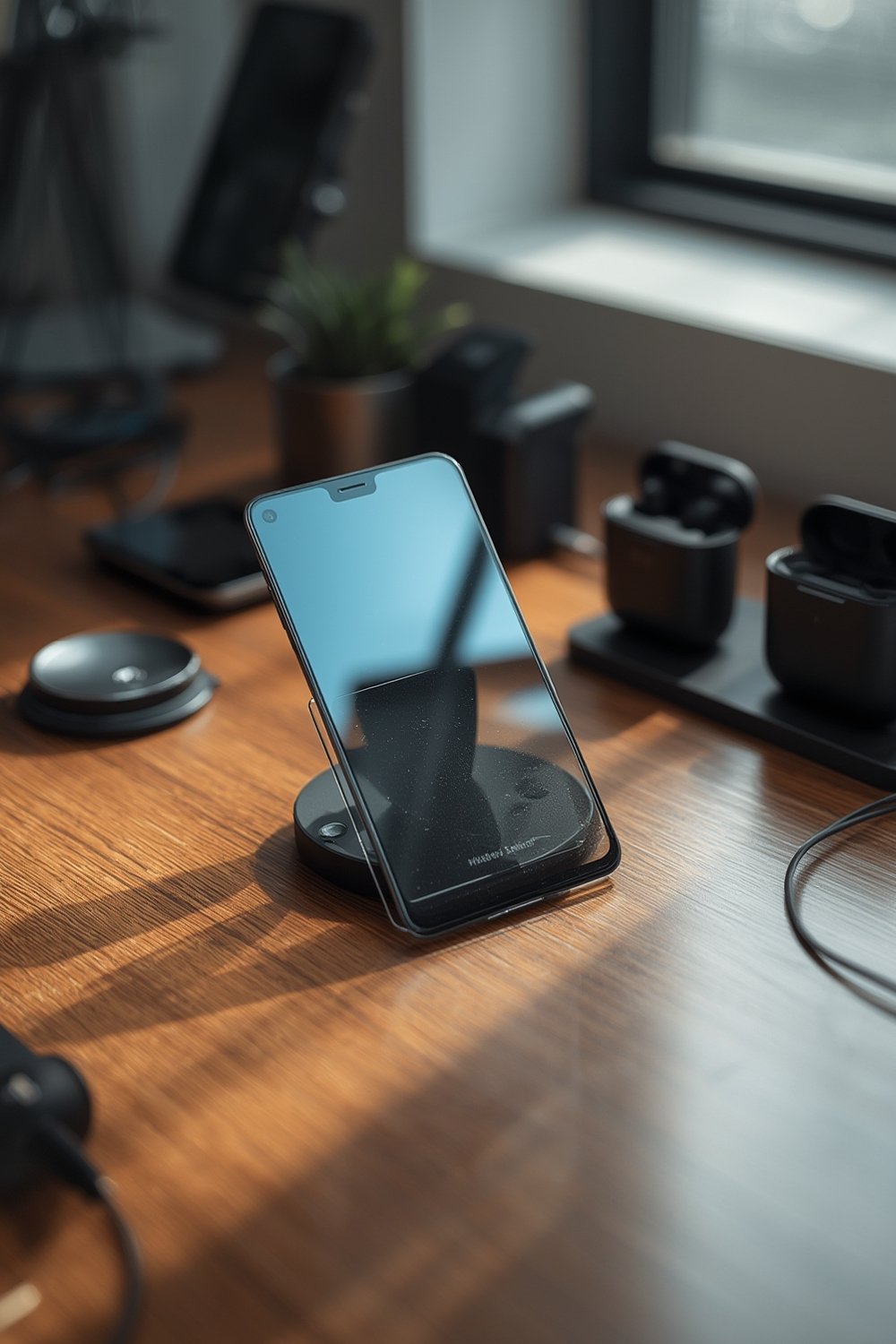
How to Apply a Screen Protector Tempered Glass: Step-by-Step Guide
Installing a tempered glass protector sounds simple, but countless users make avoidable mistakes that lead to bubbles, poor adhesion, or edge lifting. Here’s a proven, realistic method for bubble-free results—even for beginners:
- Choose the Right Protector: Pick a screen protector tempered glass that exactly matches your device model and case style. Full-coverage edges offer maximum defense, but may lift in tight cases. Refer to reputable brands like ZAGG or Belkin for tested fit.
- Prepare Your Workspace: Work in a dust-free environment. Wash your hands and clean your device display with an alcohol pad, then use the microfiber cloth and sticker to remove every last speck of dust or lint. Skipping this step almost always causes bubbles or halo lines.
- Check the Fit Before Peeling: Without removing the backing, ‘test fit’ the glass by gently aligning it on your phone to preview exact placement and edge clearance. Take mental note of button and notch positions.
- Peel and Align: Remove the adhesive backing, then lower the glass slowly, center first. Press down gently and let the adhesive ‘pull’ the rest of the protector onto the screen. Your goal is a gradual, one-directional seal—not a drop from a height.
- Press Out Bubbles: Use a squeegee or credit card, wrapped in the microfiber, to work out any bubbles from center toward the edge.
- Wait and Test: Allow the adhesive to cure for 10-15 minutes. Test screen sensitivity and ensure no edges are lifted, especially if using a tight-fitting phone case.
If you’re worried about drops even with glass installed, pairing your phone with a phone wrist lanyard or an anti-drop phone case with kickstand gives layered protection against real-world accidents.

Consider DIY alignment kits—some brands include perfect-fit frames, making centered installs almost foolproof. For anyone struggling with steady hands, these kits save time and frustration.
While some stores offer professional installation for a fee, most consumers achieve perfect results following the above steps and practicing patience. This eliminates costs and lets you replace damaged glass anytime, anywhere.
Advanced Analysis & Common Pitfalls of Screen Protector Tempered Glass
Despite its popularity, tempered glass isn’t flawless. Buyers should be realistic about trade-offs, underlying specs, and the market landscape.
Market Scope and Technical Specifications
- Global market size for tempered glass screen protectors in 2023 ranged from USD 1.8 billion to USD 52.66 billion (with 90.6% tempered glass share).
- Smartphones account for the vast majority of sales, especially in Asia Pacific due to rapid device upgrades (source).
- Typical glass thickness: 0.15 mm, 0.2 mm, 0.33 mm, and 0.4 mm. All major brands advertise 9H hardness, yet there are no published impact or drop resistance test certifications (source).
Real-World Pain Points and Product Gaps
- Installation Frustration: DIY installs often fail due to dust, misalignment, or fingers touching the adhesive—a one-shot process with little forgiveness.
- Edge Lifting & Case Fit: Full-coverage glass can lift or ‘halo’ at the edge when paired with snug phone cases, especially on curved screens.
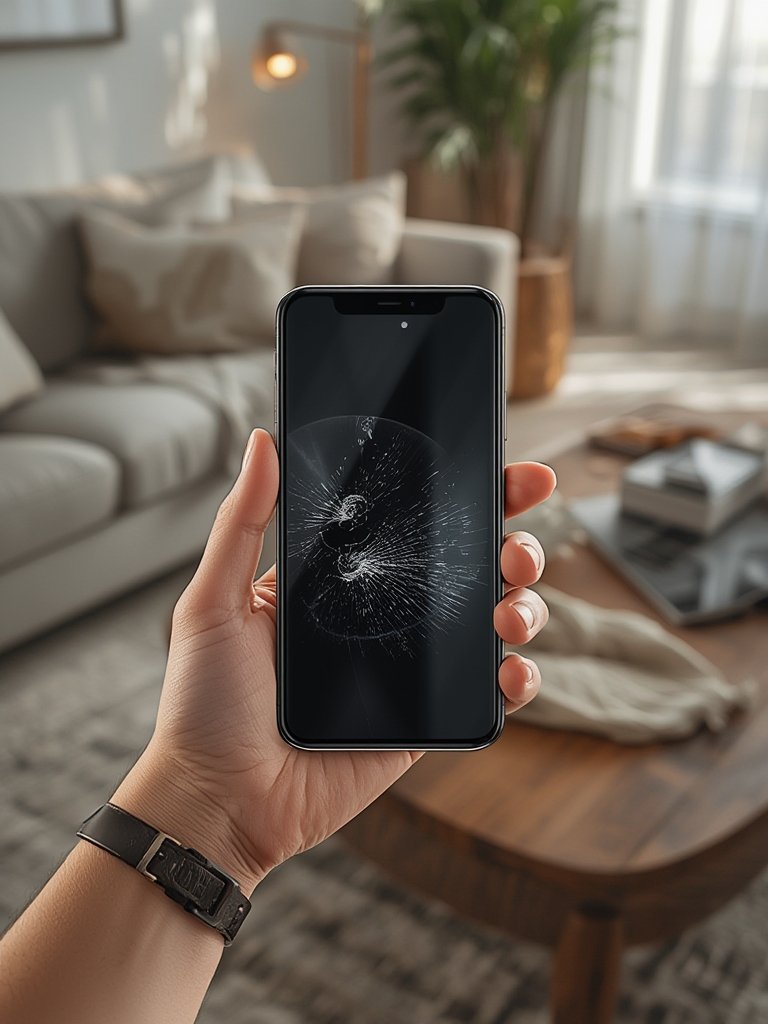
- Chipping & Shattering: While tempered glass resists surface scratches, a sharp corner drop or pressure hit can quickly crack the protector (though it saves the device underneath).
- Touch & Color Impact: Some glass protectors slightly dull vibrancy or touch responsiveness, especially on older or budget models.
- Poor Blue-Light Claims: “Anti-blue light” glass often lacks verifiable filtering data. There is no independent lab proof or peer-reviewed evidence for blue-light reduction benefits in symptom relief.
Unlike device upgrades (see the benefits of a GaN travel charger or wireless charging stand), tempered glass quality rarely varies much brand-to-brand. Most differences relate to install success or clarity of instructions.
Performance Comparison Table
| Metric | Standard Tempered Glass | Anti-Blue Light Tempered Glass | PET/TPU/Film Alternatives |
|---|---|---|---|
| Scratch Resistance | 9H hardness (superior to plastic) | No published data | Inferior to glass |
| Impact/Drop Protection | High-impact, shock absorbing | No published data | Lower than glass |
| Clarity/Light Transmission % | No published data | No published data | No published data |
| Touch Latency/Accuracy | Superior touch experience | No published data | No published data |
| Blue-Light Filtration % | N/A | No verified data | N/A |
| Expected Lifetime (months) | No published data | No published data | No published data |
| Typical Price per Unit | No published data | No published data | No published data |
In summary, users should expect hardened scratch protection and improved drop resilience with tempered glass—but not magic. Installation skill and careful case pairing are key to unlocking advertised results. For extra assurance, some users combine a phone wrist strap to reduce accidental drops entirely.
Conclusion
A screen protector tempered glass delivers proven, everyday defense against scratches, shattering, and direct impacts for your smartphone or tablet. When installed carefully and paired with a well-matched case or anti-drop accessory, you can expect real-world durability—even for active lifestyles. While most brands offer similar advertised specs, successful results depend more on accurate installation than price or hype. Ready to upgrade your phone protection? Invest in tempered glass and see the difference on day one.
For next-level device care, check out our tips on pairing with a USB-C multi-device power bank or a MagSafe compatible car mount.
Frequently Asked Questions
Does screen protector tempered glass affect touch sensitivity or display clarity?
No, most high quality tempered glass protectors are engineered to maintain original display clarity and touch responsiveness. On rare occasions, very thick or poorly installed glass may reduce tactile response or slightly dim the display on older devices.
How do I remove bubbles from under my tempered glass screen protector?
If you spot small bubbles after application, gently lift the nearest edge using a fingernail or thin card, use a sticker to remove dust, then reseal and press outward. Persistent bubbles usually result from dust or misalignment, so careful prep is crucial.
Is anti-blue light tempered glass proven to reduce eye strain or improve sleep?
No independent lab or clinical studies confirm that anti-blue light screen protectors measurably reduce eye strain or improve sleep. Manufacturer claims are often unsupported by peer-reviewed data.
Can I use a phone case and a tempered glass protector together?
Yes, but always ensure your phone case does not force the glass edges upward. Full-coverage glass models may not fit with tight or wraparound cases. Check compatibility before buying both.
How do I choose between tempered glass and plastic (PET/TPU) screen protectors?
Tempered glass offers better scratch and impact protection, longer life, and a feel more like the original screen. Plastic films are more flexible, sometimes cheaper, but scratch and yellow more quickly over time.