
### Blog Post:
Nintendo Switch charging case buyers and Switch OLED owners often struggle with battery anxiety and finding truly reliable portable charging solutions. If you’re planning longer trips, intense gaming marathons, or simply want one less reason to stare at a low-battery warning, this comprehensive guide will help you confidently choose (and use) your next Nintendo Switch charging case—including real pitfalls, trade-offs, and actionable tips few others discuss.
Key Takeaways
- Nintendo Switch charging cases for 2024 come with a wide range of battery capacities, features, and levels of official support—understand each before buying.
- Common pitfalls include incompatible USB-C charging, limited battery certification, bulky cases, and uncertain warranty coverage.
- Prioritize cases combining true drop protection, reliable charging, and portability—you’ll avoid most regrets discovered in user and expert reviews.
- The Core Concept: Why a Switch Charging Case Matters
- Step-by-Step Guide: How to Pick and Use the Right Nintendo Switch Charging Case
- Advanced Analysis & Common Pitfalls for Switch Charging Cases
- Conclusion
- Nintendo Switch Charging Case FAQ
The Core Concept: Why a Switch Charging Case Matters
Nintendo Switch charging cases are compact batteries and protective shells designed to keep your Switch or Switch OLED running well beyond the standard playtime—useful for commuters, travelers, or power users. Unlike external power banks, charging cases are integrated shells or sleeves, snapping onto your Switch to provide continuous power and physical protection. Selecting the right type and build quality is essential. Too many users find themselves either lugging an overbuilt “brick” or, worse, risking Switch damage or slow charging due to cheap construction.
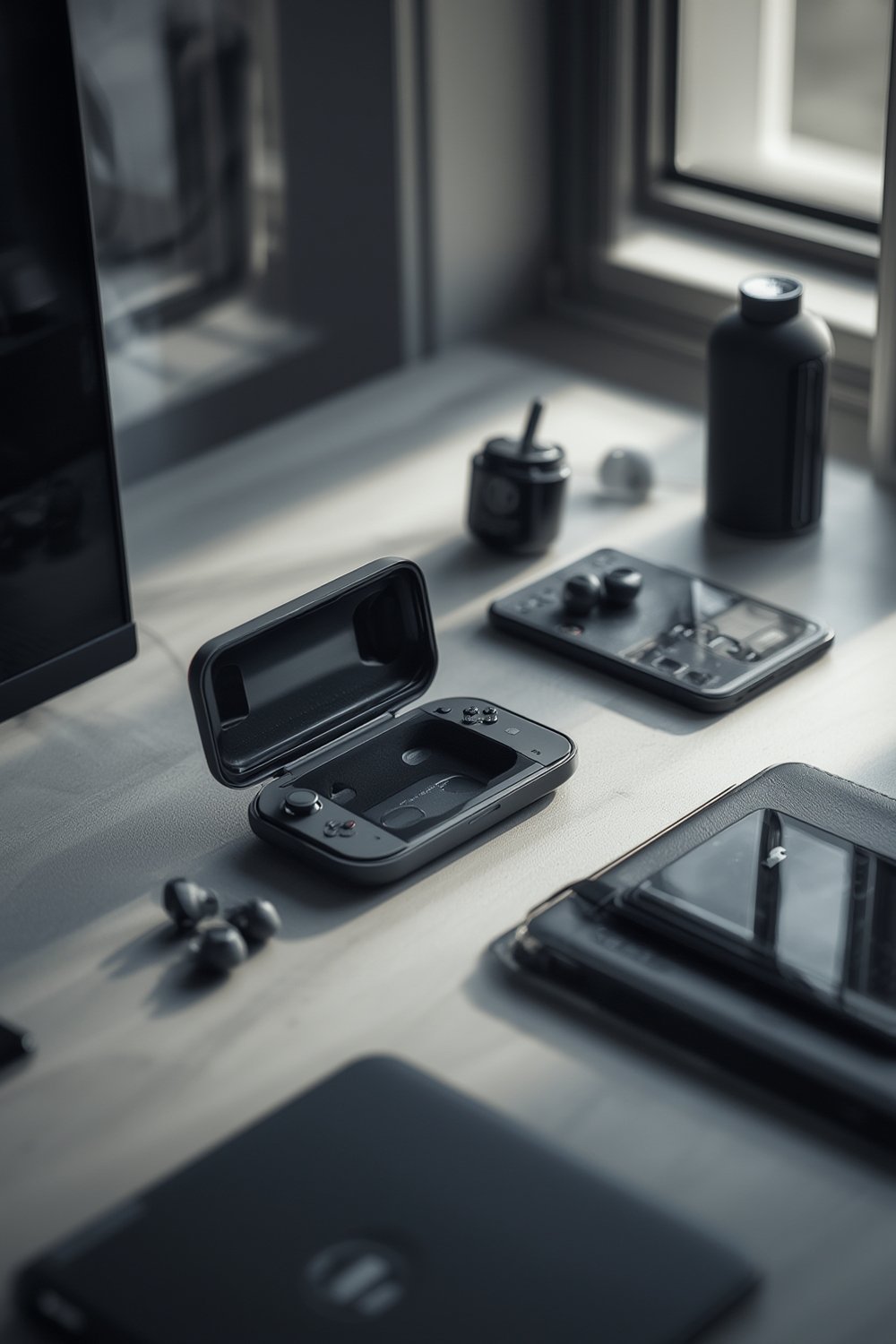
Switch charging cases aim to solve three pain points: battery life, physical drop protection, and cable-free play away from a wall outlet. For those who value portable gaming freedom, these three functions determine if a product is a smart investment or just extra weight in your bag.
Yet, top competitor blog posts and many Amazon listings ignore important negatives—compatibility issues, safety standards, charging speed mismatches, and long-term wear on your Switch’s USB-C port. Before you buy, knowing what actually sets good cases apart (and what’s marketing hype) helps prevent disappointment.
Step-by-Step Guide: How to Pick and Use the Right Nintendo Switch Charging Case
Here are the actionable steps every Nintendo Switch owner should take before investing in a charging case in 2024:
- Assess Protection vs. Portability: Do you need heavy drop protection, slim design for travel, or both? Rugged cases like those you see in shockproof phone case reviews may add weight but offer real-world safety during drops.
- Match Battery Capacity to Your Usage: Look for mAh ratings. For example, a 10,000mAh case can add 5–8 hours to Switch playtime depending on model and graphics settings. Some ultra-portable cases barely add 2 extra hours—avoid these unless travel weight is your top concern.
- USB-C Compatibility: Not all USB-C charging cases work perfectly with both Switch OLED and standard models. Seek out “officially licensed” logos or, at minimum, units with Nintendo approval or extensive independent reviews.
- Compare Charging Speeds: Standard Switch charging is 7.5W (5V/1.5A). Slow-charging units (5W or less) can actually discharge your console during taxing games—especially on OLED models. Aim for cases rated at a minimum 7.5W output.
- Review Warranty Length and Policy: One year is minimum; two or more is preferable for case-battery combos. Many budget cases silently exclude battery failure from their coverage.
- Look for Drop-Test or Material Ratings: Only pay premium for “rugged” if the case lists specs like “3ft Military Drop Test” or names proven materials: TPU, polycarbonate, rubberized exteriors, or impact foam linings.
- Research User Reviews & Known Issues: Search reviews for bulging batteries, overheating, loose casing, or poor fit around triggers. Check Switch hardware trend reports for the latest compatibility advisories.
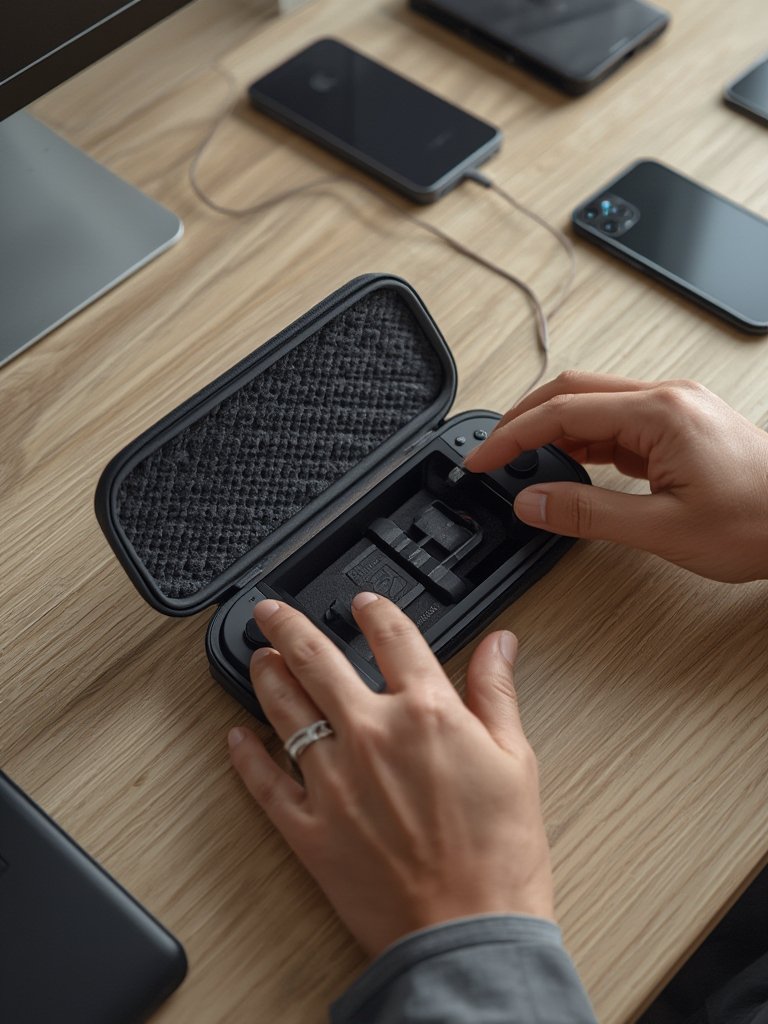
Once you have your charging case:
- Charge the case fully before initial use (often requires up to 12 hours).
- Test fit on both standard and OLED Switch if possible—ensure snug, wobble-free fit and that charging begins instantly when snapped in.
- Avoid stacking cases on top of other electronic devices in your bag—overheating risks increase if vents are blocked.
- Inspect charging port contacts periodically for grime; damaged pins reduce charging speed and can create dangerous shorts.
- Register your device immediately for warranty tracking—failure to do so can result in denied claims later. Check terms closely for battery and electronics exclusions.
For bonus ideas on phone accessory protection, visit our detailed phone gear review section.
Choosing the right Switch charging case is about validating real features over flashy “gamer” marketing. The best results come from balancing capacity, protection, and design for your travel or playing style.
Advanced Analysis & Common Pitfalls for Switch Charging Cases
Let’s dig deeper—what are the actual risks and negatives users face when picking a Nintendo Switch charging case in 2024?
- Non-Certified Charging Cases Can Power Off Consoles or Cause Damage: Many cases claim USB-C support but skip Nintendo’s certification, risking slow charging, unexpected shut-offs, and even hardware damage. Always check for the “licensed for Nintendo Switch” label or evidence of extensive field testing.
- Limited Real-World Battery Extension: Most “10,000mAh” cases deliver less due to conversion loss. Expect about 70–80 percent of listed capacity in realistic usage. Tiny battery models (<7,000mAh) may only offer 1–2 hours of play, not enough for flights or long car rides.
- Bulky Form Factors and Ergonomics: Higher capacity means more bulk. Some high-battery cases make Switch controls less accessible or block vents, increasing device heat.
- Poor Fit and Kickstand Compatibility Problems: Aftermarket cases often interfere with device kickstands or prevent docking, especially on OLED and Lite models. Always test before travel.
- Unclear or Absent Warranty: Warranty lengths vary, and many sellers offer zero support for failed batteries after 90 days.
- No Known Safety Recalls in 2024, Yet Unknown Brands Pose Risks: No major incidents are reported (see Nintendo Life industry update), but unproven brands from international sellers may skip safety standards and overheat the device.
| Model | Battery Capacity (mAh) | Charging Speed (W) | Playtime Extension (hrs) | Nintendo Certified? | Warranty | Kickstand Support | Drop Protection |
|---|---|---|---|---|---|---|---|
| Official Licensed PowerShell | 8,000 | 7.5 | +4–5 | Yes | 2 yrs | Yes | Medium (TPU/PC blend) |
| Generic High-KiX Case | 10,000 | 6.5 | +5 | No | 1 yr | No | High (rubber, polycarbonate) |
| SlimLite Charger Case | 6,500 | 5.0 | +2 | No | 90 days | Yes | Low |
For more expert tips on balancing protection and portability, browse our medium-size metal case review.
Bottom line: the safest route is sticking with known, certified brands or those with excellent user feedback. Always weigh battery size, ergonomic impact, and support terms against flashy numbers and claims. Portable protection is pointless if it voids your console’s warranty or hinders comfortable play.
Conclusion
The best Nintendo Switch charging case balances battery life, drop-protection, and true compatibility with your exact console version. While price and capacity vary, reliable charging and confident device safety matter most long-term. Avoid off-brand models with unclear warranties or fit issues. Always check for real-world reviews—especially whenever you upgrade to the latest Switch OLED or new editions. Invest in a quality charging case, and extended portable gaming (without hassle or worry) is finally within reach. Ready to upgrade? Secure your Nintendo Switch charging case and game anywhere, anytime.
Want more ways to keep your devices safe and stylish? See how phone wrist straps are trending for drop prevention, or visit our accessory review hub for more guides on durable gear.
Nintendo Switch Charging Case FAQ
Will any USB-C charging case work with my Switch OLED model?
No. Not all USB-C charging cases are compatible with the Switch OLED. Always check for OLED-specific listings or official Nintendo certification before buying.
Do charging cases void my Switch warranty?
Using a third-party charging case does not automatically void your warranty, but damage caused by poorly-made accessories may not be covered. Stick to certified or well-reviewed brands.
How many extra hours of play can I expect from a good charging case?
A quality 8,000–10,000mAh charging case usually adds 4 to 8 hours of playtime, depending on screen brightness, volume, and Switch model.
Is it safe to use a charging case while playing demanding games?
Yes, but overheating can occur if you block the case’s vents or use it in a hot environment. Avoid stacking your Switch while charging to ensure proper ventilation.
Are there any known safety incidents or recalls for Switch charging cases?
As of 2024, there are no major recalls for Switch charging cases, but caution is still advised with unknown brands. Look for products meeting published safety standards.