

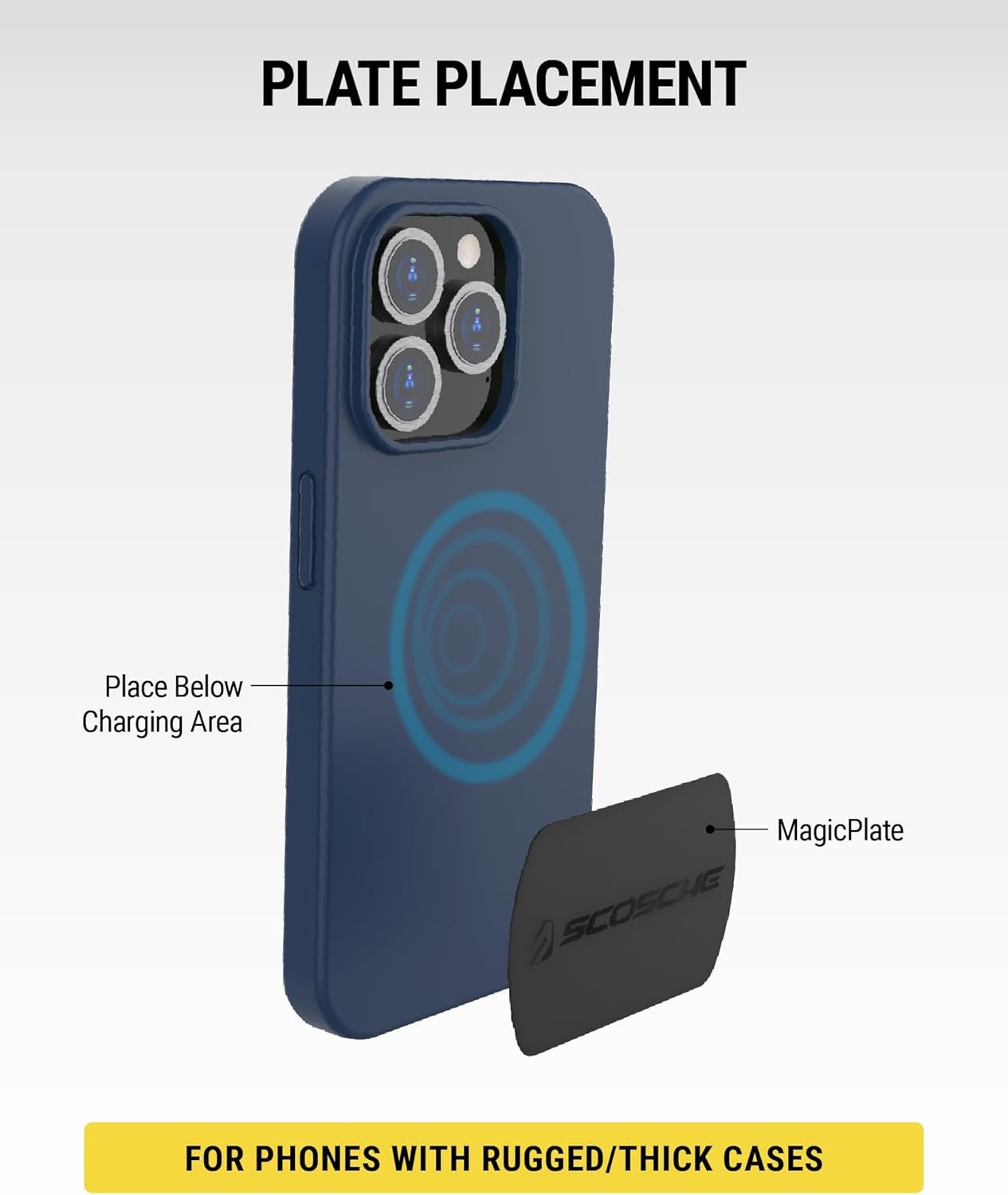
Phone wrist strap solutions have become a must for anyone who wants extra security and style carrying their phone day to day. From busy professionals dodging daily drops to content creators wanting personality and safety, phone wrist straps are changing how we interact with our devices.
Key Takeaways
- Phone wrist straps help prevent accidental drops while also enabling users to add a personal style touch to their mobile devices.
- Material quality, attachment mechanism, and design impact both the comfort and the practicality of phone wrist lanyards.
- Users need to be aware of issues like strap twisting, durability, attachment reliability, and the absence of industry-wide safety standards.
The Core Concept
A phone wrist strap is a simple but clever accessory designed to keep your phone safely tethered to your wrist. Instead of risky one-hand grip or stuffing your phone in awkward pockets, a wrist lanyard lets you keep your device close for easy access—minimizing drops in crowded commutes, at the gym, or running errands.
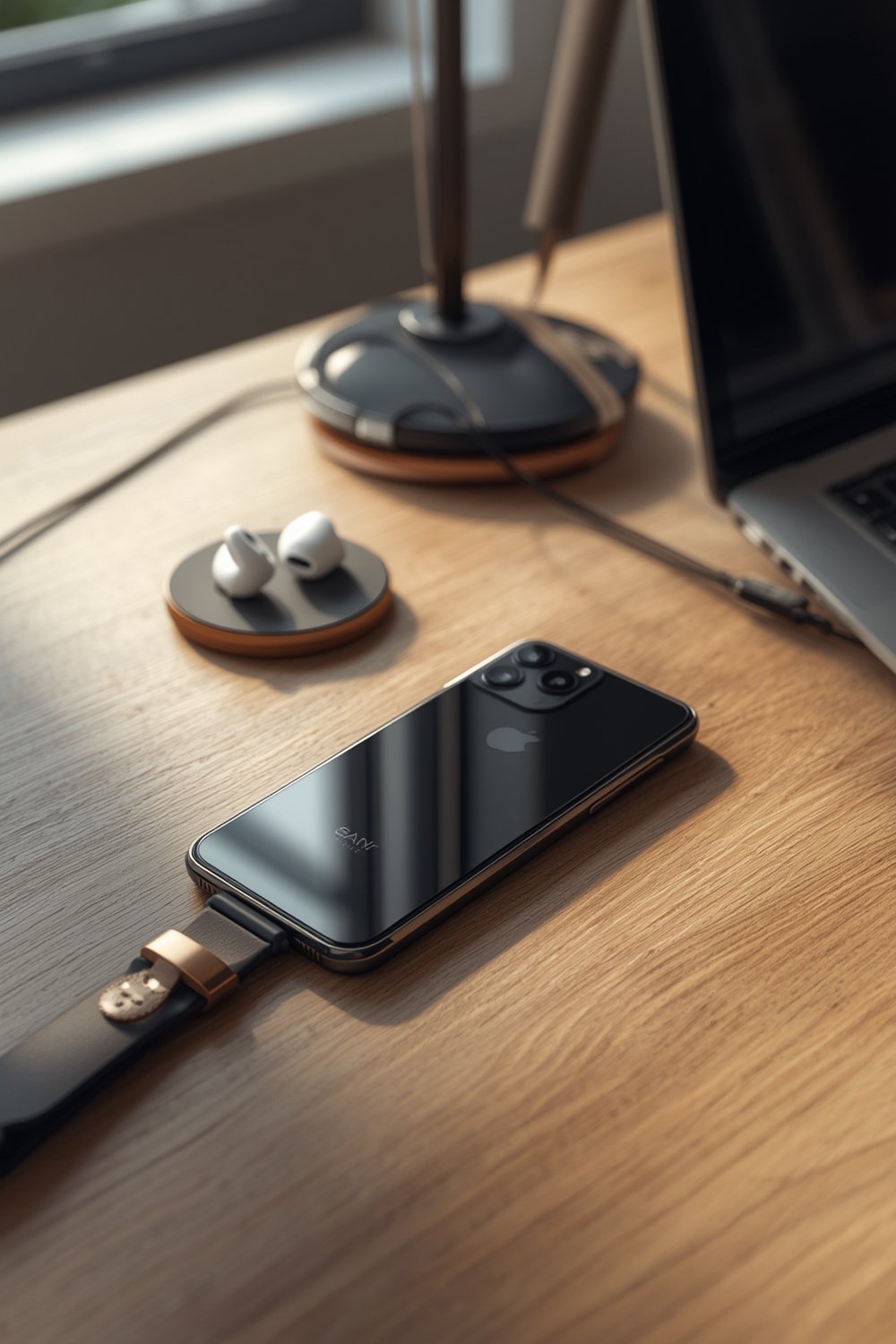
Phone wrist lanyards gained traction among professionals who need two free hands and have little tolerance for phone drops. They’re also a style platform for people who want to add personality and flair to their phone—like cute phone wrist straps, minimalist leather lanyards, or vibrant beaded options.
Beyond fashion and function, wrist straps act as a backup: whether your case is shockproof phone cases or ultra-thin, a strap limits the catastrophic falls that even excellent shockproof phone cases can’t always prevent. For everyday travel, content creation, or managing kids, anti-drop phone straps have become essential.
Trending data shows their visibility is exploding, particularly across short-form platforms like TikTok, with users increasingly interested in both safety and style [see phone wrist strap trend analysis].
Step-by-Step Guide
Ready to add a phone wrist strap to your setup? Follow these steps for a hassle-free and secure experience.
- Pick the Right Strap Type
- Decide your priority: comfort (choose silicone), style (look for custom charms), durability (try leather or reinforced fabric), or flexibility (tubular/paracord designs).
- Ensure the strap’s attachment mechanism suits your phone case: do you need a small loop, D-ring, universal patch, or a lanyard slot?
- Check Case Compatibility
- Most wrist straps require a case with an anchor slot or a small cutout. Verify your case model before you buy the strap.
- If your case doesn’t have an anchor, buy an adhesive universal patch or switch to cases compatible with straps like those in our latest accessory reviews.
- Attach the Strap Securely
- Thread the strap’s loop or anchor through the designated slot on your phone case. Make sure it’s fully cinched and can’t slip through.
- Pull gently to check that the connection is both tight and flexible. For lanyard patches, press the adhesive firmly for several seconds before use.
- Test for Comfort & Adjust Length
- Slip the loop onto your wrist and test with your phone in your dominant hand.
- Adjust for snugness—too tight risks discomfort, too loose increases snagging or dropping.
- Optional: Personalize & Style
- Add charms, beads, or tags for a custom look if your strap allows.
- Consider blends that allow you to switch between wrist, neck, or crossbody modes so you are ready for different settings. For style inspiration, review recent trends in cute phone wrist straps for Android and iPhone.
- Practice Drops
- Test the anti-drop functionality by simulating a slip. If the attachment or length fails, adjust or consider a sturdier strap.
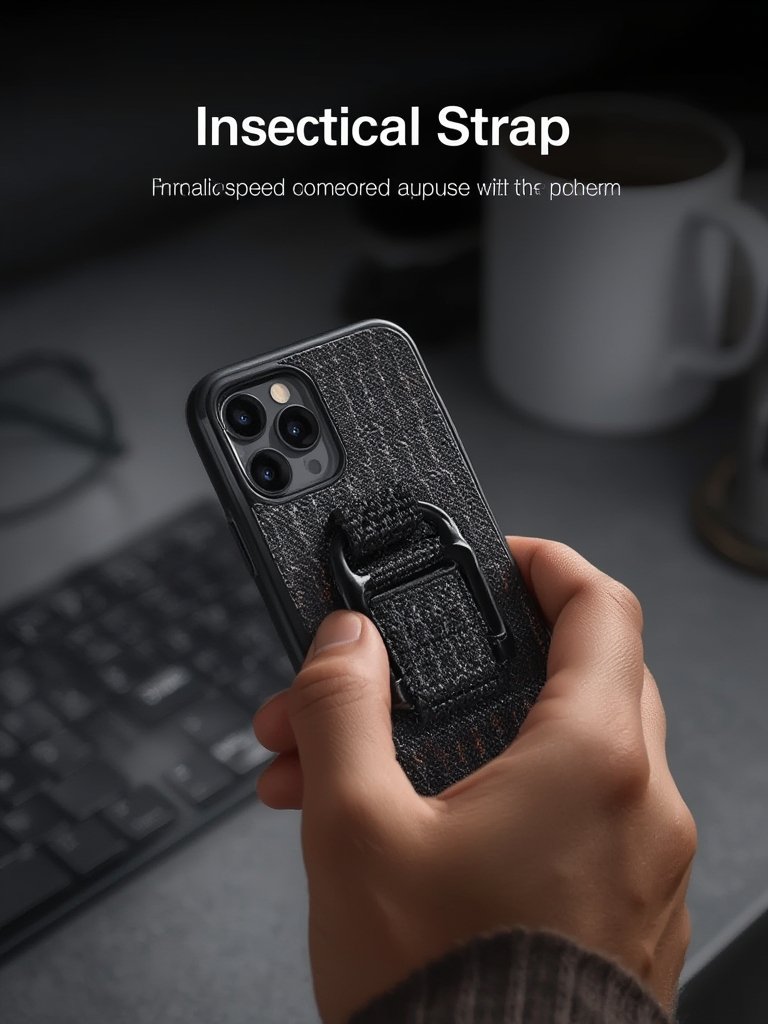
For more on integrating anti-drop straps and protecting phones during travel, see our deeper breakdown of smartphone accessory reviews and overall case effectiveness.
Advanced Analysis & Common Pitfalls
While the right phone wrist strap boosts convenience and reduces anxiety about drops, there are downsides that users regularly report. Here are the most important issues to consider, contrasted for quick comparison.
| Issue | Impact | Material/Design Note | User Feedback/Source |
|---|---|---|---|
| Strap Twisting | Annoying adjustments while rotating phone, disrupts experience | Flat straps twist and fray more than tubular options | Frequent complaint for flat/fabric straps [Video Review] |
| Attachment Weakness | Potential for the loop or anchor to break, dropping the phone | Thin loops prone to wear—look for reinforced ends or real hardware | Users report lost phones with poor anchors [External Guide] |
| Bulky Off-Body | Strap bulges in pockets or bags when not worn | Few designs fold flat quickly—tubular and silicone are best for minimal bulk | Annoyance with crossbody and heavy fabric styles |
| Potential Staining | Discoloration on light fabrics or after exposure to rain/sweat | Silicone is easier to clean; fabric needs more upkeep | Mentioned in pros and cons discussions [Material Tips] |
| Price vs. Value | High prices don’t always mean better performance | Apple’s $59 strap seen as excessive; many better-value options | Heavily criticized for premium pricing |
| Lack of Standards | No certifications—buyers must judge build quality themselves | Look for detailed specs or well-reviewed products | Confirmed by lack of official safety guidelines [Expert Analysis] |
Despite their popularity, phone wrist straps do not have universal technical specs, standards, or robust warranty policies. Most brands emphasize durability and secure attachments but rarely specify test ratings or certification. Always review detailed specs and assess how straps pair with your specific phone case. When in doubt, refer to hands-on reviews like our analysis of medium size shockproof phone gear or recent fabric/silicone options.
For users who want more than drop prevention, many newer designs now offer adjustable length, quick-swap personalization, and the ability to move between wrist, neck, or crossbody use. These features are especially valued by users juggling work, travel, and home tasks .

Conclusion
In summary, phone wrist straps blend style and substance for anyone who wants confidence handling their phone on the go. Consider your priorities—whether anti-drop protection, fashion, or material comfort—before choosing your model. Watch for pitfalls like twisting, poor attachments, and overpaying for minimal features. For even more robust protection, combine a high-quality strap with a tested shockproof case or explore trending designs featured in our full phone wrist strap guide & tips.
Ready to upgrade your day-to-day phone security? Find a phone wrist strap that matches your style and needs, and protect your tech investment now.
FAQ Section
Are phone wrist straps safe for all iPhone models and cases?
Most phone wrist straps are compatible with popular iPhone models, but not every case has a dedicated anchor or slot. For older models or very slim cases, use a universal lanyard patch or switch to cases designed with lanyard compatibility in mind. Always test attachment security before daily use.
Do phone wrist straps actually prevent drops?
Real-world experience and user feedback support that wrist lanyards reduce accidental drops by physically securing your phone to your wrist. However, they’re not foolproof—if the anchor fails or the strap isn’t snug, drops are still possible. For maximum protection, pair with a quality shockproof case.
Which strap material is best: silicone, leather, or fabric?
Silicone straps are soft, washable, and generally more resistant to twisting and fraying than fabric. Leather offers a premium feel and long-term durability. Flat fabrics are prone to twist and can stain, while tubular rope designs resist damage and stay comfortable. Choose based on preference, wear environment, and how much rough use is expected.
How much should I spend on a phone wrist strap?
Avoid overpriced options with minimal added value. Apple’s $59 crossbody is widely considered too expensive. Reliable silicone or paracord straps are often available between $10 and $25, with extra cost only justified for unique features or premium materials. Always prioritize build quality and secure attachment over branding.
Are there official certifications for phone wrist straps?
No industry-wide technical standards or certifications exist for phone wrist straps at this time. Most quality signals come from brand reputation, detailed product reviews, and material specifications in listings. If warranty or return policies matter, verify before purchase as these are not standard.