
UV Phone Sanitizer Case is becoming one of the most discussed gadgets in tech hygiene today, responding to our growing need to keep smartphones as germ-free as possible. But do these UV sanitizing cases truly deliver? Here’s what to know before you buy one, what to expect, and which issues most users face after purchase.
Key Takeaways
- Global demand for UV phone sanitizer cases is rising fast, but most public performance data is broad and lacks independent lab validation.
- Device specs, efficacy against real pathogens, and product safety claims aren’t standardized or independently confirmed.
- Shoppers should compare design compatibility, power source, cycle time, and be wary of marketing promises that lack scientific evidence.
- What is a UV Phone Sanitizer Case and Why Do People Buy Them?
- How to Choose and Use a UV Phone Sanitizer Case: Step-by-Step
- Advanced Analysis & Common Pitfalls
- Conclusion
- FAQ
What is a UV Phone Sanitizer Case and Why Do People Buy Them?
Most people now use their smartphones almost constantly—including in bathrooms, public transit, and other high-touch places where germs thrive. The promise of a UV Phone Sanitizer Case is simple: put your phone in the case, close the lid, and invisible UV-C light will kill bacteria or viruses contaminating your device. Compared to wipes, it aims to be quick, chemical-free, and user-friendly. The use of UV-C light (typically 200-280 nm) is well-established in environments like hospitals but less so in consumer phone accessories.
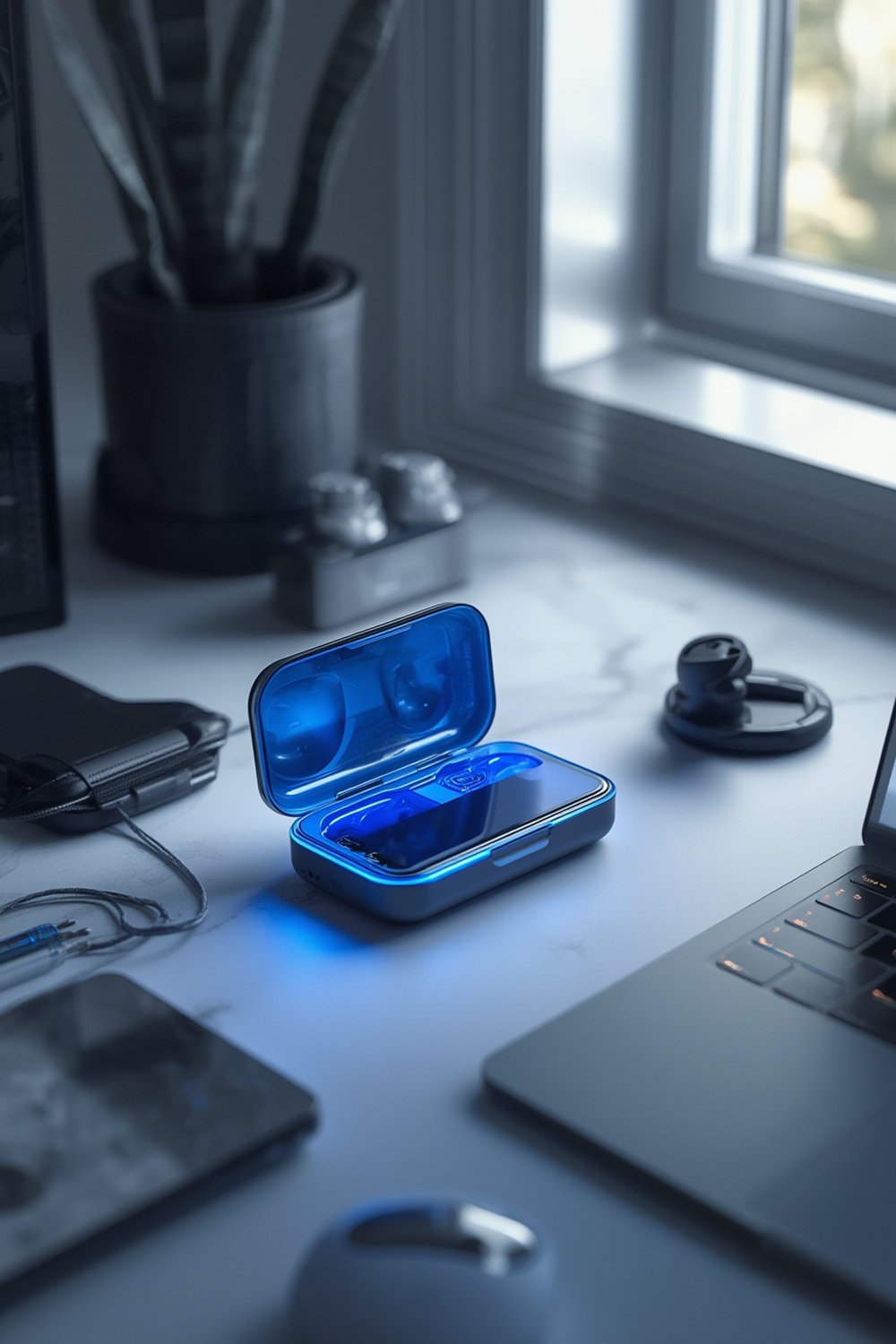
Market interest in UV phone sanitizers surged in the aftermath of COVID-19. According to Verified Market Reports, the global market size for UV phone sanitizers was valued between $107.43 million and $1.22 billion for 2024, with double-digit CAGRs reported as high as 19.6%. North America held the largest revenue share at 38%, while Asia Pacific showed the fastest growth (Market Intelo).
Still, there’s a gap between what’s promised and what’s proven. Top-selling models bundle features like wireless charging, auto shutoff, or even aromatherapy, but few back up their disinfection claims with independent laboratory data. If you’re evaluating your phone’s accessory lineup, consider pairing with a phone wrist lanyard for added safety during daily use and transit, and check out options like shockproof cases with kickstands for extra device protection.
How to Choose and Use a UV Phone Sanitizer Case: Step-by-Step
- Check Compatibility: Verify the case fits your phone—measure your device and compare against interior dimensions. These devices aren’t one-size-fits-all. Also, ensure there’s room for accessories like cases, earbuds, or watches if multi-use is advertised.
- Evaluate Power Options: Look for models supporting USB-C, battery operation, or hybrids. For travel or on-the-go disinfection, opt for a battery-powered or USB-rechargeable device, similar to how you’d choose a multi-device power bank for mobile use.
- Inspect Safety Features: Confirm the case auto-shuts when open to avoid accidental UV exposure (UV-C light is hazardous to eyes/skin). Review the presence—or lack—of labeling for FCC, CE, or UL certifications.
- Compare Cycle Times and Features: Standard cycles range from 3-10 minutes. Some add wireless charging or aromatherapy. Check for LED/bulb lifetime if you expect frequent use.
- Read the Manual Thoroughly: Always follow the manufacturer’s instructions for placement and cycle time. Misuse can mean incomplete sanitization or device damage.
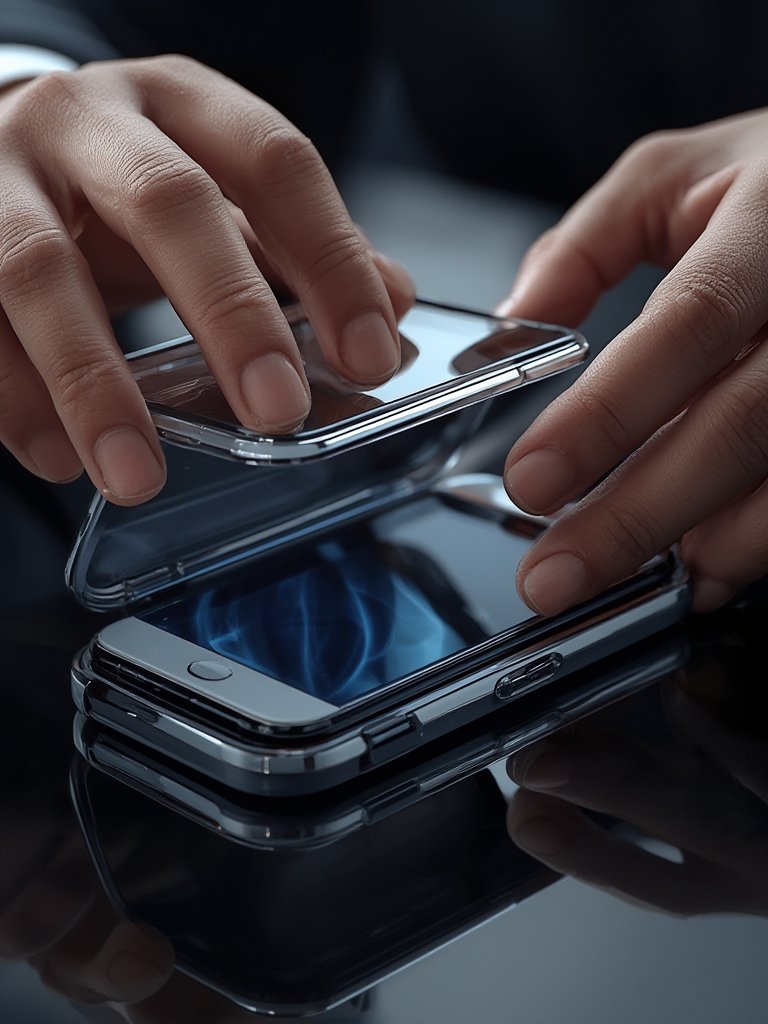
- Set a Regular Cleaning Routine: Most users run a cycle daily; after returning home is a good habit. Unlike a multiport USB charger, sanitizer cases don’t charge the phone (unless specifically built for that), so factor this into your workflow.
- Maintenance: Gently wipe the interior weekly to clear dust; replace bulbs per instructions if applicable. Avoid harsh cleaners that could degrade plastic or electronics.
- Monitor Device Performance: If unit fails to turn on or sanitize fully, check the manufacturer’s support or warranty terms promptly. Some users report short device life or inconsistent performance, especially with cheaper models found on generic marketplaces.
If your device doubles as a charger, treat the UV case as you would a wireless charging stand: don’t leave it on constantly, and watch for overheating signs.
Advanced Analysis & Common Pitfalls
UV phone sanitizer cases are marketed aggressively, but the technology’s effectiveness depends on several variables. Here’s what’s confirmed—and what to question:
- Independent Efficacy Data is Lacking: No peer-reviewed or independent laboratory reports are available for consumer UV phone sanitizers as of 2024 (DataHorizzon Research). Generic claims like “kills 99.9% of germs” are not independently validated for SARS-CoV-2, influenza, E. coli, or S. aureus.
- Specs Not Standardized: There’s no enforced minimum for wavelength, UV dose, or cycle time—these specs are not published by most brands. In medical-grade disinfection, delivered dose (mJ/cm²) and total log reduction are standard. Consumer devices rarely publish or achieve these metrics.
- User Problems are Under-Reported: No consolidated data exists on device failures, battery/charging issues, phone fit problems, or long-term surface effects (like coating/band damage). Complaints are sporadic on retailer listings. Return and warranty complaint rates are not published.
- Safety & Regulatory Status is Unclear: There are no public, industry-wide certifications (FDA, EPA, UL, CE, RoHS) specific to UV phone sanitizers. Devices may pose safety risks if they lack auto-off features or emit stray UV-C light. Always use caution and heed included safety labels.
- Environmental Considerations: Most units use LEDs/bulbs with limited lifespans (often undisclosed). There are no published sustainability or environmental impact studies. In contrast, traditional Alcohol wipes have ongoing consumable waste, but their efficacy and cost per use is straightforward to calculate.
| Sanitizer Type | Common Features | Pros | Cons |
|---|---|---|---|
| UV Phone Sanitizer Case | Enclosed box, UV-C LED/bulbs, some with wireless charging | Reusable, chemical-free, can sanitize multiple small items | Unproven efficacy, phone-size compatibility issues, unknown safety certification |
| UV Wand | Handheld, exposed UV-C, manual use | Portable, can disinfect surfaces beyond phones | User error risk, uneven coverage, higher safety concerns |
| Alcohol Wipes/Sprays | Disposable, widely available | Proven disinfection, works on all surfaces | Ongoing consumable cost, can damage coatings if overused |
When weighing your options, the cost-benefit story is complex. Estimates for UV phone sanitizer cases range broadly ($20-$130), with little correlation between price and validated efficacy. Device lifespan is often unknown; reports of units failing after several months are not uncommon, so scrutinize warranty terms. In contrast, a supply of alcohol wipes has a known cost and efficacy profile, but produces more waste and can damage screen coatings if used excessively over time. There’s still no data on typical cost-per-sanitize for any option.
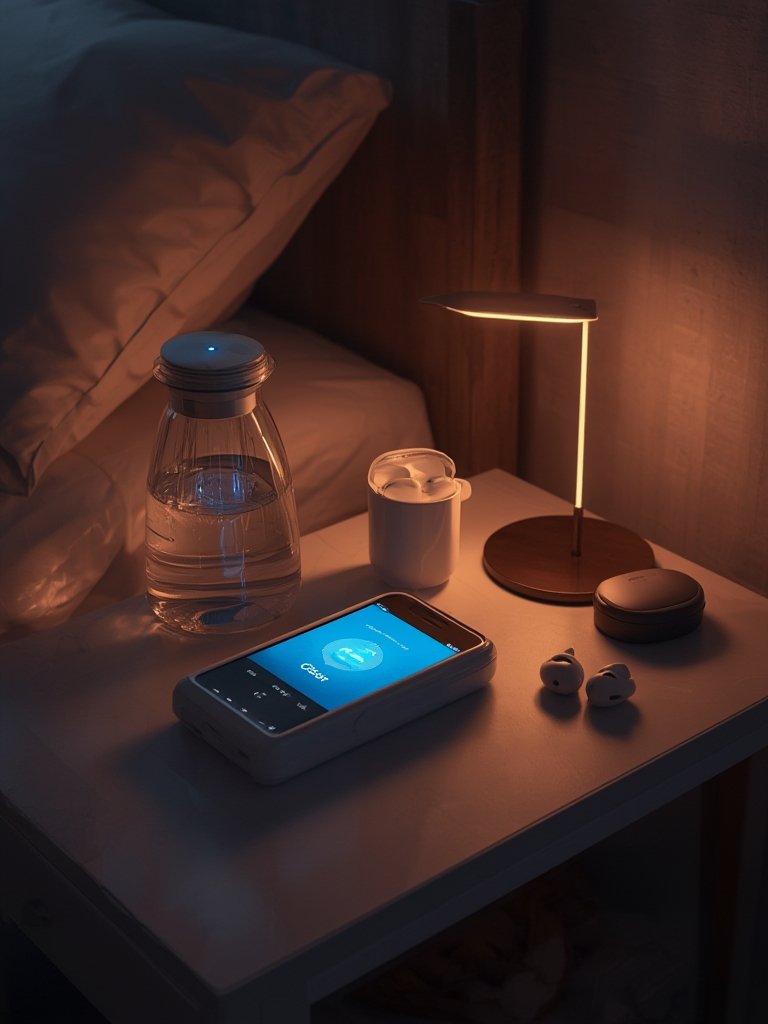
If you’re often on the go, pairing your sanitizer with a GaN travel charger keeps devices powered between cleaning cycles. And for anyone worried about accidental drops while moving between public spaces, combine with a phone wrist strap for extra peace of mind.
Conclusion
UV phone sanitizer cases offer a reusable, “hands-off” route to keeping your phone germ-free—but significant caveats remain. Most products lack detailed efficacy testing, published technical specs, or transparent regulatory labeling. If you do buy, carefully compare device fit, safety features, and manufacturer support. For now, pair a sanitizer case with proven cleaning basics and protective accessories (like a shockproof kickstand case or dash mount) to cover both hygiene and device safety. To get maximum value from your UV Phone Sanitizer Case, follow usage instructions precisely—and watch for trustworthy lab evidence as the market matures. Ready to take your phone hygiene further? Compare options and start making informed, safe choices today.
FAQ
Do UV phone sanitizer cases really work?
Some laboratory studies confirm UV-C light kills many bacteria and viruses—but no independent studies validate real-world phone sanitizer cases. Most models lack published data on pathogens they’ve tested, delivered UV dose, or actual log reductions. It’s best to treat claims like “kills 99.9% of germs” with skepticism until proven.
Can UV phone sanitizer cases damage my phone or accessories?
The risk is generally low, but repeated UV exposure over years could dull plastics or degrade some coatings—especially on soft cases or accessory bands. Avoid leaving devices inside longer than the suggested cycle or stacking items inside the case.
How often should I sanitize my phone?
Once daily is typical, or after visiting high-contact places (public transit, gyms, restrooms). Always wipe away visible debris so UV light can reach all surfaces.
Is a UV phone sanitizer case better than alcohol wipes?
Alcohol wipes are proven effective, fast, and cheap, but create waste and can erode screen coatings with frequent use. UV cases are reusable and mess-free, but their efficacy relies heavily on correct usage—and is not lab-confirmed for specific pathogens. Many buyers use both for peace of mind.
What certifications or safety features should I look for?
Look for devices with auto-off when the lid is open, and check for standard certifications like CE or FCC. Lack of clear safety labeling means a device might not be independently vetted, so use extra caution with cheap, no-brand models.